
The world of gaming is full of incredible franchises that once captured players’ imaginations but have since faded into dormancy. Whether due to shifting market trends, studio closures, or creative redirection, many iconic series have been left behind—despite continued fan demand.
In this article, we take a look at the top 15 gaming franchises that need to return, highlighting the titles that left a lasting legacy and deserve a new entry in today’s evolving gaming landscape. From cult classics to blockbuster hits, these franchises are overdue for a comeback.
Note: This list is in no particular order.
Banjo-Kazooie
| Initial release | Banjo-Kazooie (1998) |
| Latest release | Banjo-Kazooie: Nuts & Bolts (2008) |
| Developer | Rare |
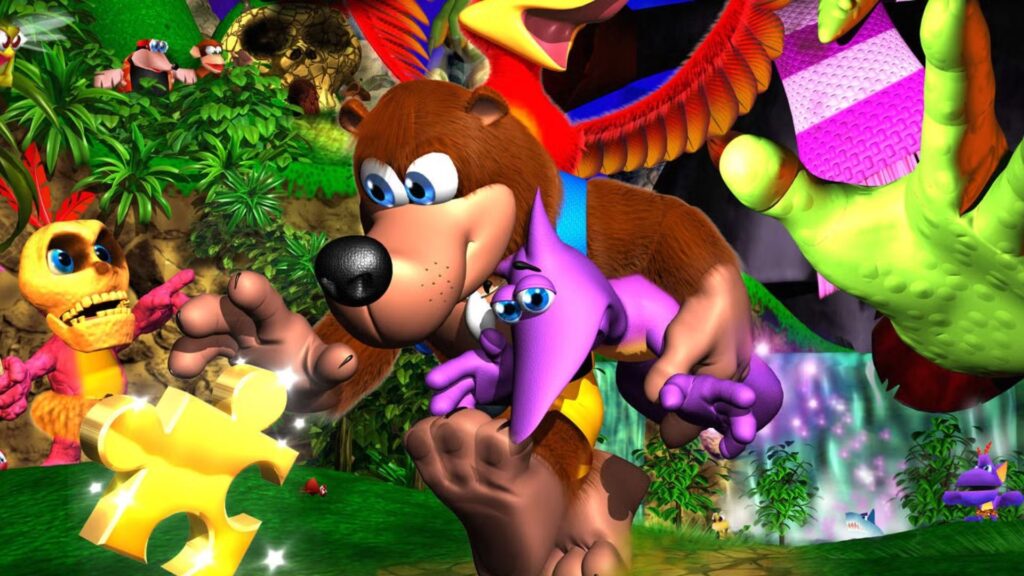
The Banjo-Kazooie series is a beloved franchise that is praised for its charming characters, witty humor, and expertly designed worlds. The original Banjo-Kazooie and its sequel Banjo-Tooie helped define an era of exploration-based 3D platformers.
This series stood out for its whimsical tone, creative level design, and the iconic partnership between its titular characters. Despite a devoted fanbase, the franchise has seen little activity since the divisive Banjo-Kazooie: Nuts & Bolts in 2008.
Given the modern resurgence of platformers and nostalgic revivals, Banjo-Kazooie is one of gaming’s most important franchises overdue for a proper comeback—offering the potential to blend classic gameplay with new-generation polish. Although Banjo and Kazooie have made occassional appearances in crossover titles like SEGA’s All-Star Racing series and Nintendo’s Super Smash Bros. series, fans demand a new core entry featuring the legendary duo.
Beyond Good and Evil
| Initial release | Beyond Good & Evil (2003) |
| Latest release | Beyond Good & Evil 2 (TBA) |
| Developer | Ubisoft |
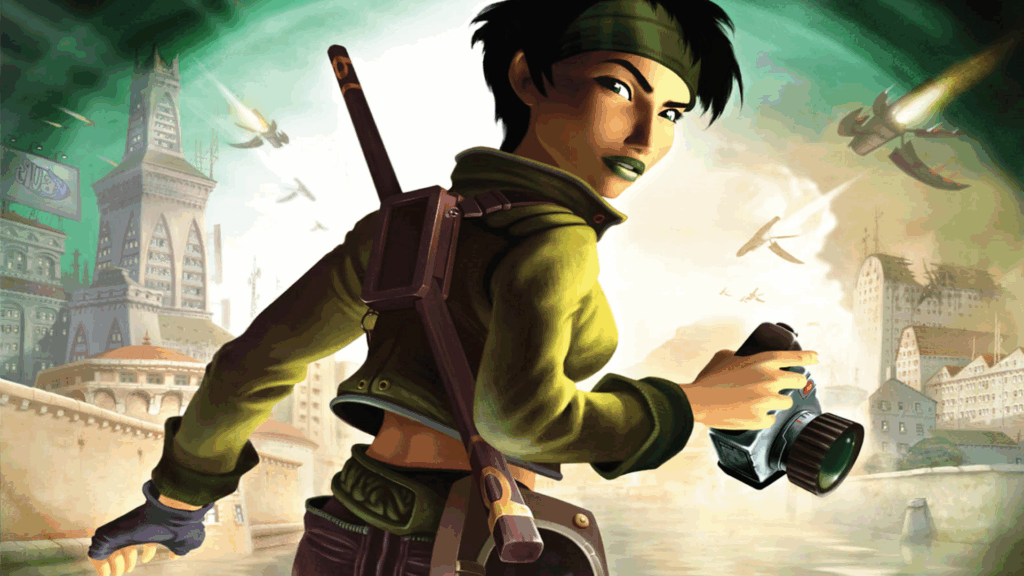
The Beyond Good and Evil series is a cult classic action-adventure franchise. Set in a richly imagined sci-fi world, the game follows photojournalist Jade as she uncovers a vast government conspiracy.
Praised for its storytelling, world-building, and emotional depth, Beyond Good and Evil gained a passionate following despite modest commercial success. A sequel has long been in development limbo, fueling fan frustration and anticipation.
With its unique narrative style, memorable characters, and potential for modern storytelling, Beyond Good and Evil remains one of gaming’s most important franchises in need of a true revival.
Custom Robo
| Initial release | Custom Robo (1999) |
| Latest release | Custom Robo Arena (2006) |
| Developer | NOISE |
Would you believe there are a bajillion games out there featuring robots and mechs but nothing quite like having them piloted by people’s minds fighting from the third perspective of an arena?
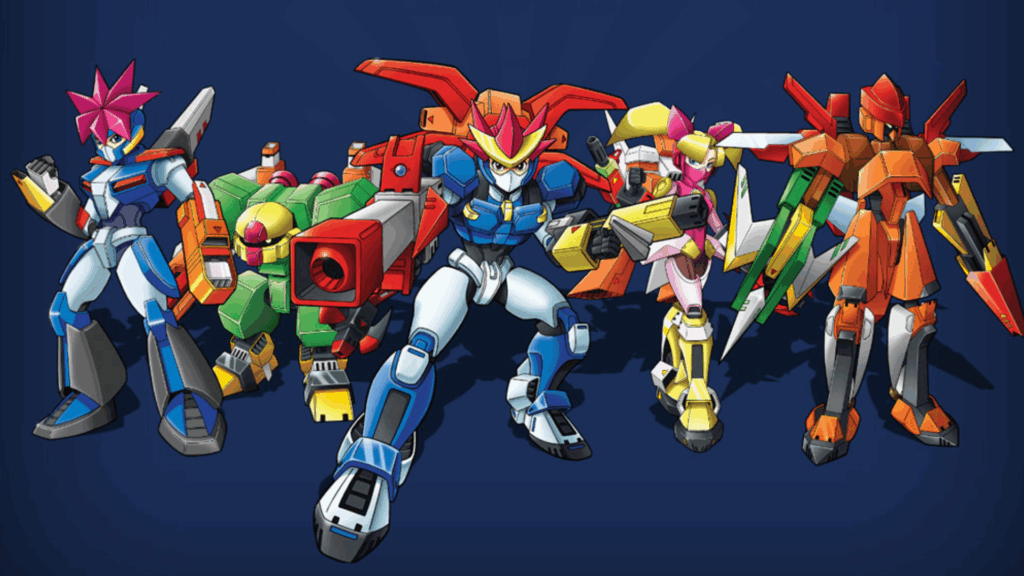
The Custom Robo series is a hidden gem in Nintendo’s catalog, known for its fast-paced combat and deep customization systems. Players build their own miniature robots—choosing from a wide array of parts, weapons, and abilities—and battle in dynamic arenas where strategy and reflexes go hand-in-hand.
Though it gained a loyal following, particularly after Custom Robo on the GameCube reached international audiences, the franchise has remained dormant since the DS era.
In a gaming landscape where customization and competitive play are more popular than ever, Custom Robo is ripe for a return. A modern revival with online multiplayer, robust single-player content, and expanded customization could finally give this innovative series the spotlight it has long deserved.
Although series creator Kouji Kenjou most recently graced fans with Synaptic Drive (2020), a spiritual successor, it has failed to appeal to those who enjoy the franchise in the way old entries did. Fortunately, an upcoming indie title known as Battlecore Robots will eventually arrive to fill the void properly.
Conker
| Initial release | Conker’s Pocket Tales (1999) |
| Latest release | Young Conker (2016) |
| Developer | Rare |
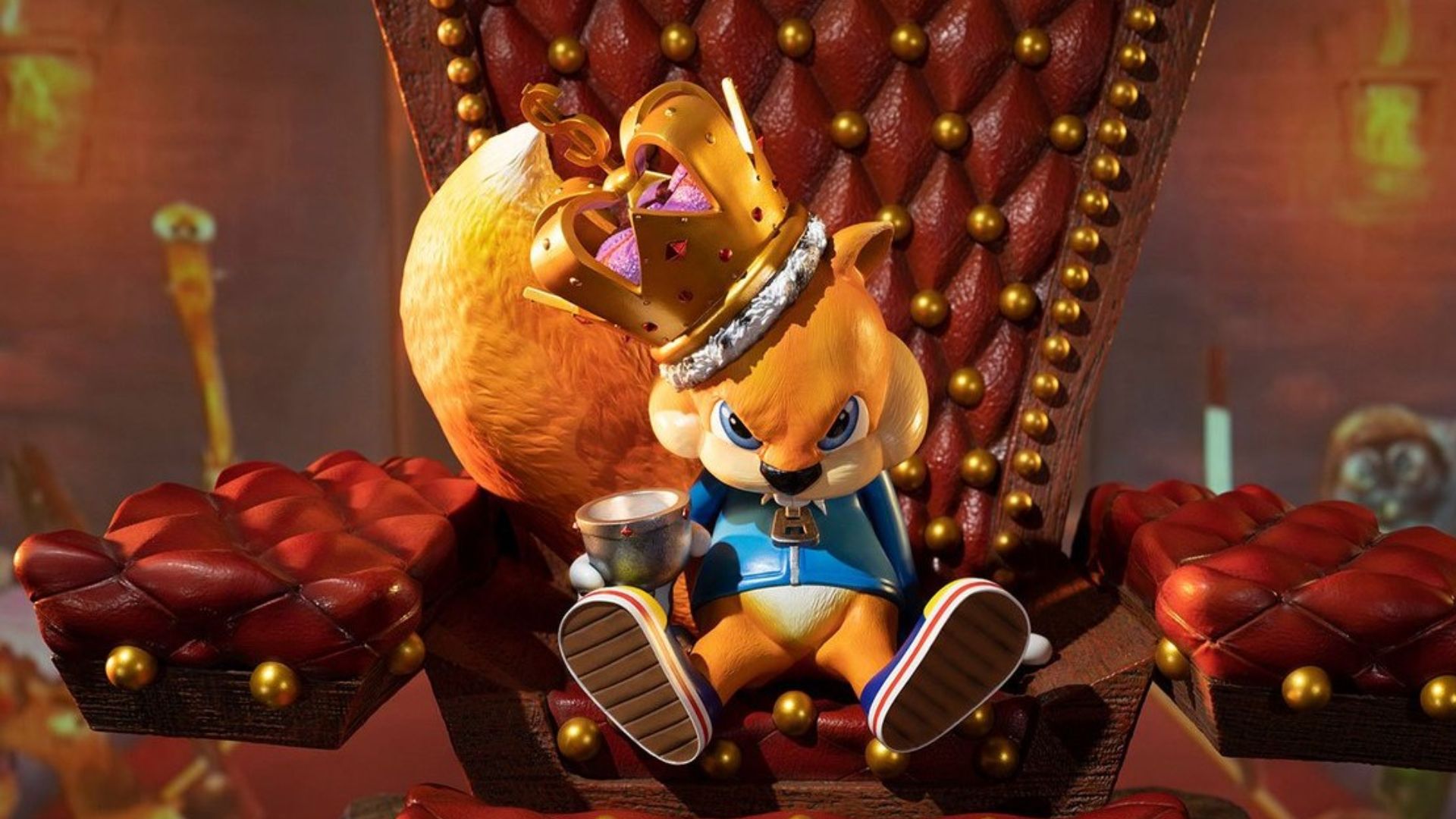
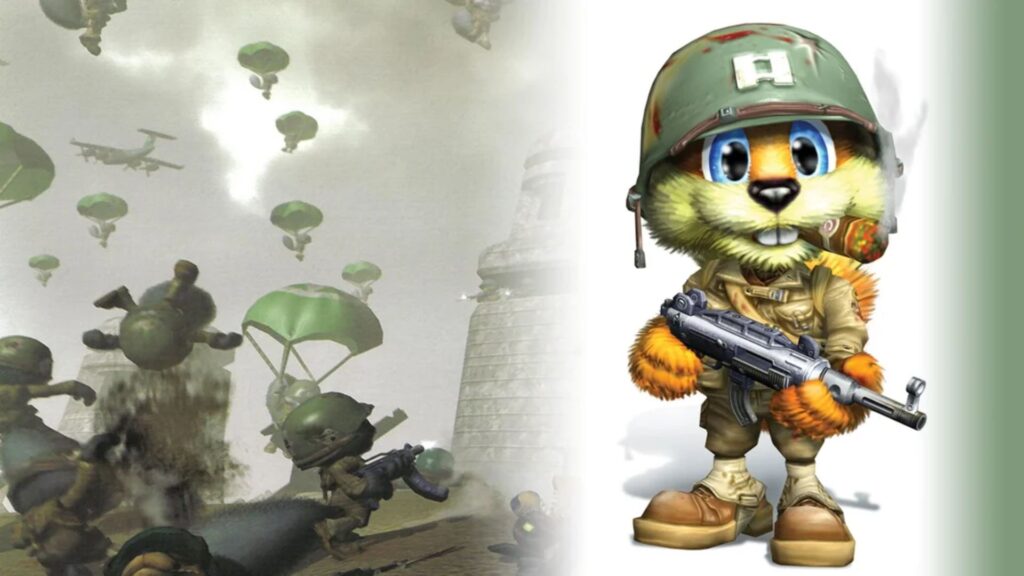
What began as a children’s series featuring a cutesy, innocent little squirrel collecting acorns on Game Boy Color saw Conker distorted into a foul-mouthed, alcoholic animal who stays out too late, failing to maintain a stable relationship with his eccentric girlfriend while slaying evil Nazi teddy bears on Nintendo 64.
The Conker series, most notably Conker’s Bad Fur Day (2001), is a cult-classic platformer known for subverting expectations with its crude humor, adult themes, and sharp satire—all wrapped in a cartoonish aesthetic. Developed by Rare, the game stood out in a crowded platforming market by delivering outrageous content with surprising emotional depth and technical polish, along with hours and hours of cutscenes with full voice acting, most notably by the creator Chris Seavor.
Fans got a remake of Bad Fur Day in the form of Conker: Live & Reloaded (2005). While the online multiplayer was praised along with the improved controls, gameplay, and remastered graphics, the heavy revisions and censorship of the dirty dialogue were met with significant disappointment.
Despite a loyal fanbase, the franchise has remained mostly dormant aside from minor appearances. To showcase the technology behind game engines like Project Spark and augmented reality devices like Microsoft Hololens, Conker was featured albeit briefly.
In an industry increasingly open to bold, irreverent storytelling, Conker is a prime candidate for a comeback—bringing back its unique blend of comedy and chaos that no other series quite replicates.
Excite
| Initial release | Excitebike (1984) |
| Latest release | Excitebike: World Rally (2009) |
| Developer | Nintendo |
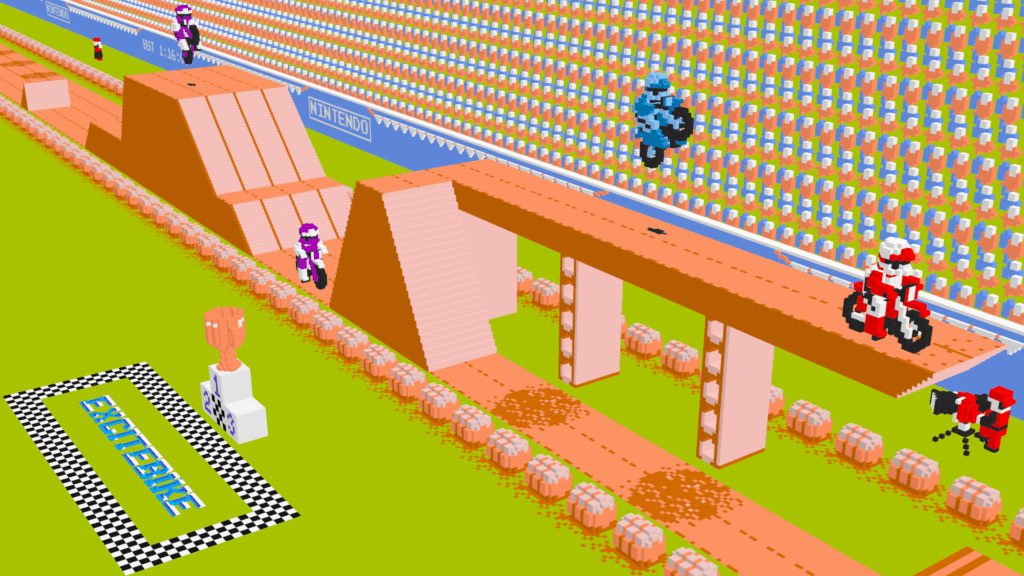
The Excite series is one of Nintendo’s earliest and most influential racing franchises. Known for its fast-paced, jump-focused gameplay and side-scrolling mechanics, Excitebike laid the groundwork for future motocross and arcade-style racers.
Later entries like Excite Truck and Excitebots on the Wii expanded the series’ scope with wild stunts, unconventional vehicles, and motion controls. Despite its legacy of innovation and fun, the franchise has been dormant for over a decade.
With the modern popularity of physics-based racers and nostalgia-fueled revivals, the Excite series is a prime candidate for a comeback—bringing back its unique blend of speed, stunts, and creative gameplay.
F-Zero
| Initial release | F-Zero (1990) |
| Latest release | F-Zero 99 (2023) |
| Developer | Nintendo |
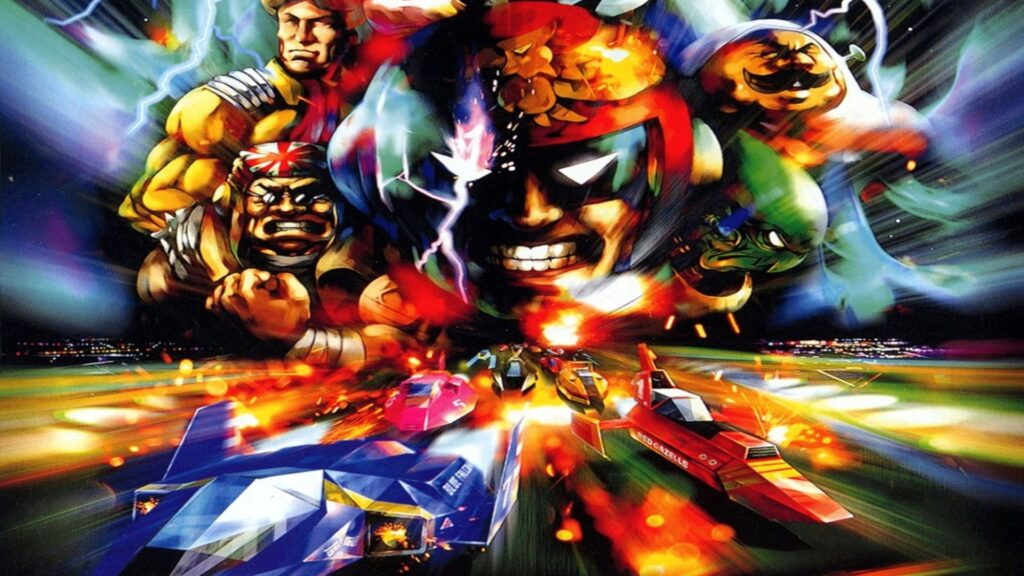
The F-Zero series is a high-speed futuristic sci-fi racing franchise known for its blistering pace, precision-based gameplay, and iconic vehicles like Captain Falcon’s Blue Falcon.
It pushed hardware limits with Mode 7 graphics and later wowed fans with titles like F-Zero X and F-Zero GX, the latter praised for its depth and challenge.
Despite its cult following, the series has been absent from consoles for nearly two decades. In an era where fast-paced racers and nostalgic revivals thrive, F-Zero is one of gaming’s most important franchises overdue for a thrilling comeback.
Fans did receive an enhanced version of the original F-Zero in the form of F-Zero 99. Released on Nintendo Switch Online, the game employs online racing with up to 99 players via a rotating playlist of modes like Grand Prix, Team Battle, races on more difficult Pro Tracks, and a Practice mode. Yet, a new 3D entry would be ideal for new and returning fans.
Gex
| Initial release | Gex (1995) |
| Latest release | Gex 3: Deep Cover Gecko (1999) |
| Developer | Crystal Dynamics |
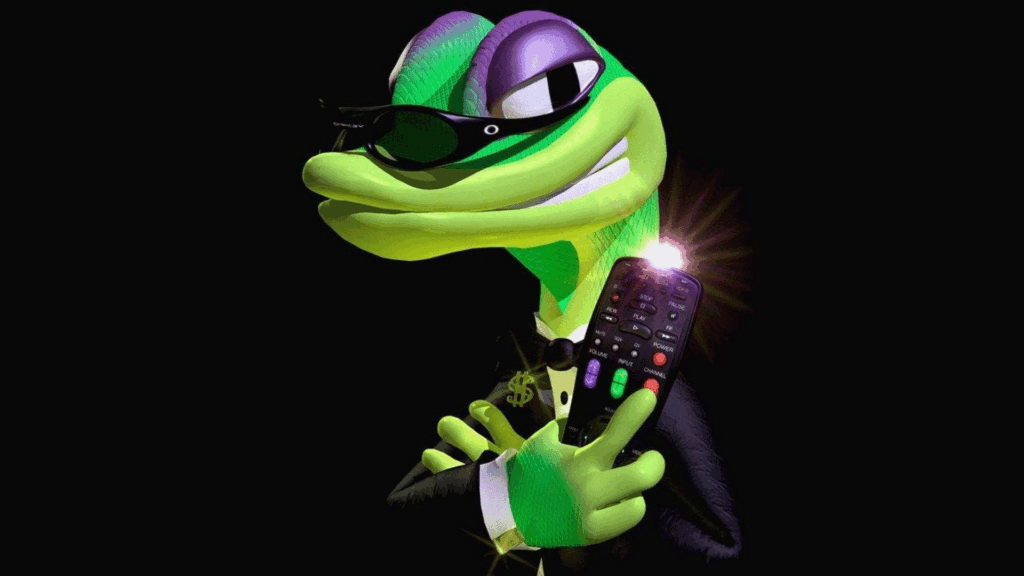
The Gex series, starring a wisecracking, TV-obsessed gecko, was a standout platformer franchise during the mid-to-late 1990s. Blending solid gameplay with heavy pop culture references and humor, Gex brought personality to the mascot platformer genre.
Across three main games, players explored warped TV-inspired worlds filled with satire and voice lines that made Gex one of the more memorable characters of his era.
While the gameplay was rooted in traditional platforming, its unique theme and snarky charm set it apart. With the current wave of mascot revivals and a renewed interest in 90s nostalgia, Gex is ripe for a comeback—offering a fresh chance to reboot a franchise that was truly ahead of its time in personality and parody.
The good news is that while we wait for a new entry, fans can excited about the upcoming Gex remasters.
Half-Life
| Initial release | Half-Life (1998) |
| Latest release | Half-Life: Alyx (2020) |
| Developer | Valve |
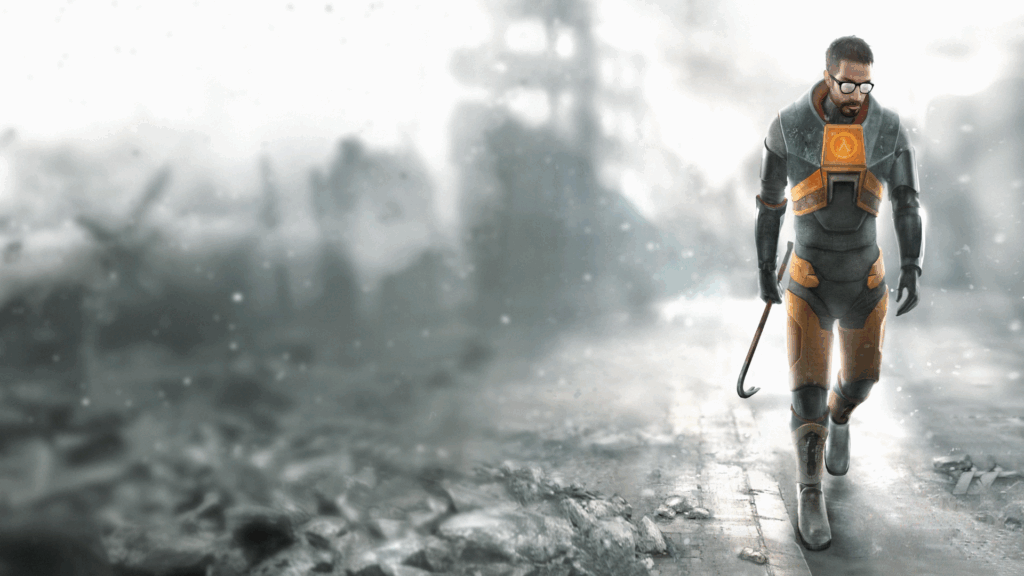
The Half-Life series is one of the most influential franchises in gaming history, redefining first-person shooters with its seamless storytelling, immersive world-building, and innovative gameplay. Starting with Half-Life in 1998 and continuing with Half-Life 2 and its episodic expansions, the series introduced players to Gordon Freeman and the dystopian conflict against the alien Combine.
Its groundbreaking physics engine known as Source, smart AI, and narrative integration set new industry standards. Furthermore, it helped popularize community modding and was responsible for the inception of Counter-Strike.
Despite massive acclaim, the story was left unresolved for years—leaving fans clamoring for closure. While Half-Life: Alyx (2020) offered a stunning return in VR, the core narrative remains unfinished. A proper continuation would not only satisfy long-time fans but also reaffirm Half-Life‘s place as a pillar of modern gaming.
News has recently broken out that there is allegedly a playable build of Half-Life 3, from start to finish.
Jak and Daxter
| Initial release | Jak and Daxter: The Precursor Legacy (2001) |
| Latest release | Jak and Daxter: The Lost Frontier (2009) |
| Developer | Naughty Dog |
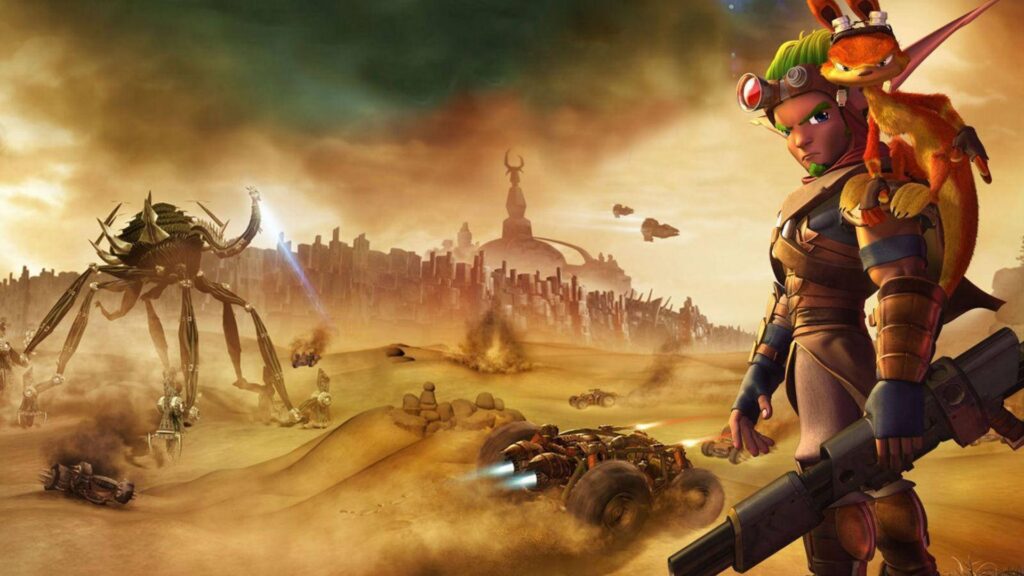
The Jak and Daxter series was a cornerstone of early 2000s platforming on the PlayStation 2. Blending vibrant worlds, tight gameplay, and cinematic storytelling, the series evolved from the whimsical exploration of The Precursor Legacy to the darker, action-heavy tone of Jak II and Jak 3.
Its seamless open-world design, puzzle-solving, inventive power-up mechanics, and strong character dynamics between Jak and his wisecracking companion Daxter helped define a generation of adventure games.
Despite its success and enduring fanbase, the series has remained dormant for over a decade. With modern hardware capable of expanding its ambitious design, Jak and Daxter is more than ready for a comeback—offering a nostalgic yet fresh take on platforming and action storytelling.
Mother
| Initial release | Mother (1989) |
| Latest release | Mother 3 (2006) |
| Developer | Ape Inc. HAL Laboratory |
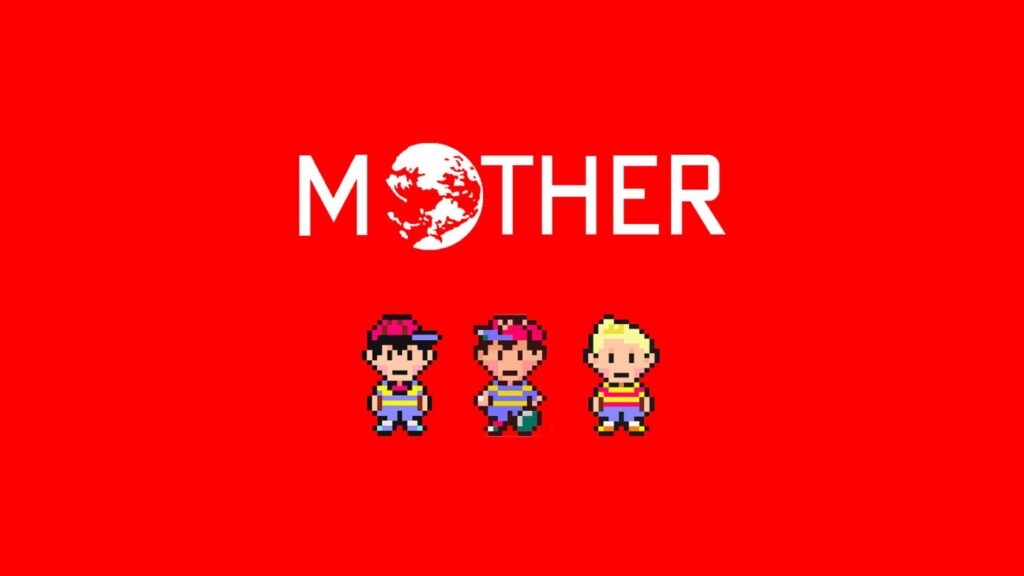
The Mother series is one of gaming’s most adored cult classics. Blending quirky humor, emotional storytelling, and turn-based RPG mechanics, the series stands out for its unique tone and heartfelt themes.
Mother 2 (EarthBound) introduced Western audiences to Ness and a bizarre yet endearing world, while Mother 3—still officially unreleased outside Japan—delivered a deeply moving narrative that resonated with fans worldwide.
The series has influenced countless indie titles, yet remains frustratingly inaccessible in its entirety. A comeback—whether through remakes, localizations, or a true sequel—would not only honor its passionate global fanbase but also reaffirm Mother’s place as one of the most artistically important franchises in gaming history.
Parasite Eve
| Initial release | Parasite Eve (1998) |
| Latest release | The 3rd Birthday (2010) |
| Developer | Square |
The Parasite Eve series is a unique blend of survival horror, science fiction, and RPG mechanics that set it apart from its contemporaries in the late ’90s and early 2000s. It manages to mix ATB-turn based combat with real-time action in an innovative blend not seen across most other titles in its genre, even to this day.
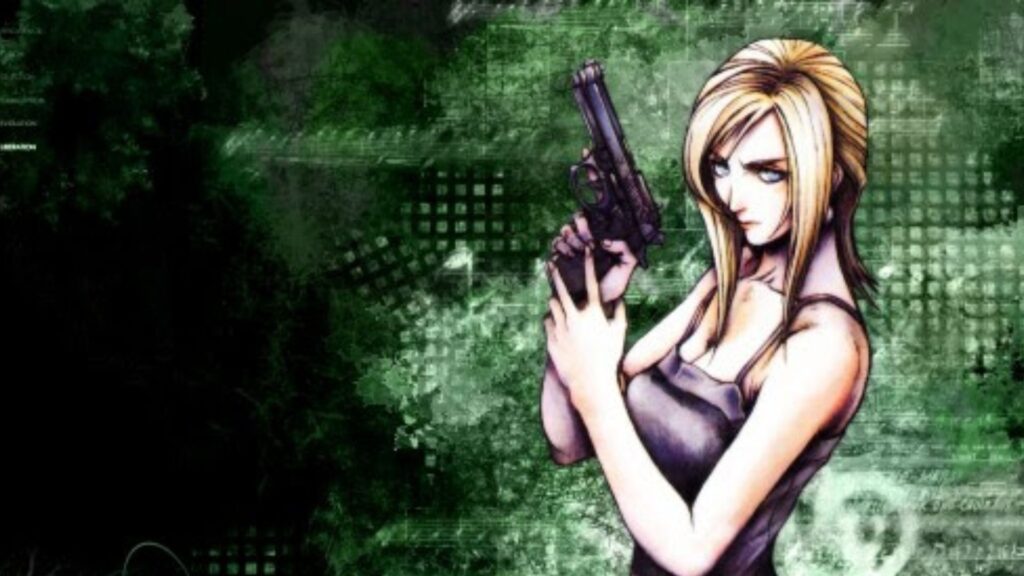
Starring NYPD officer Aya Brea, the games combined cinematic storytelling with real-time combat and a haunting narrative centered on genetic mutation and human evolution. The original Parasite Eve was groundbreaking for its mature themes and atmospheric design, while Parasite Eve II and The 3rd Birthday explored new gameplay directions.
Despite its cult following, the series has remained dormant for years. With modern technology and a renewed interest in horror and RPG hybrids, Parasite Eve is ripe for a revival—offering a chance to reintroduce its rich narrative and unique gameplay to a new generation of players.
Sly Cooper
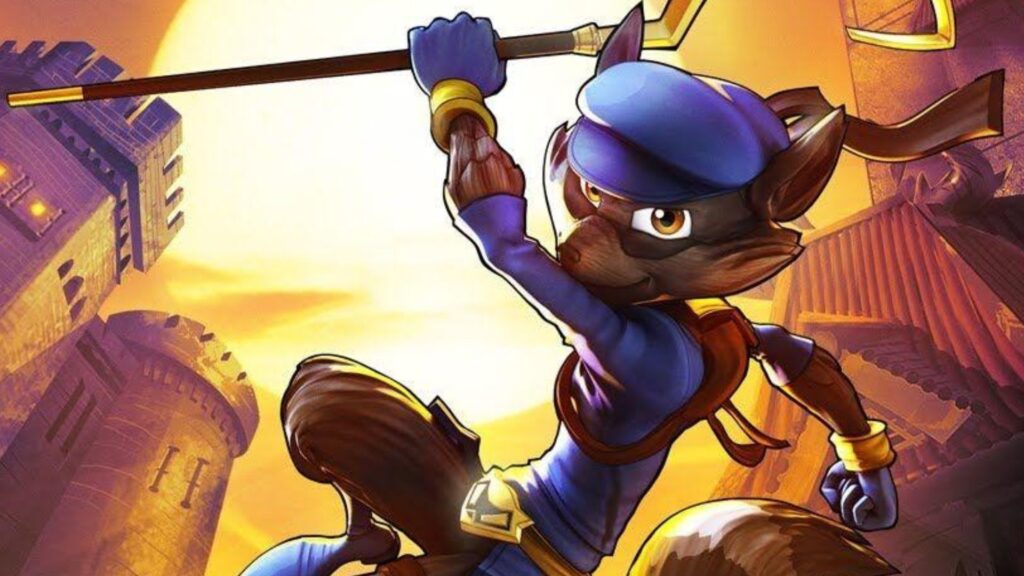
| Initial release | Sly Cooper and the Thievius Raccoonus (2002) |
| Latest release | Bentley’s Hackpack (2013) |
| Developer | Sucker Punch Productions |
The Sly Cooper series is a wondrous blend of stealth, platforming, and charming storytelling that helped define the PlayStation 2 era. Following the adventures of Sly, a suave raccoon thief, and his loyal crew, the series stood out for its cel-shaded art style, clever heist-based missions, and character-driven narratives.
Each entry built on the last with more complex level design and expanded gameplay mechanics. Despite a strong fanbase and critical acclaim, the series has remained dormant since Sly Cooper: Thieves in Time in 2013.
With the current resurgence of platformers and interest in nostalgic IPs, Sly Cooper is perfectly poised for a comeback—bringing its unique mix of stealth and humor back to a new generation of gamers.
Star Fox
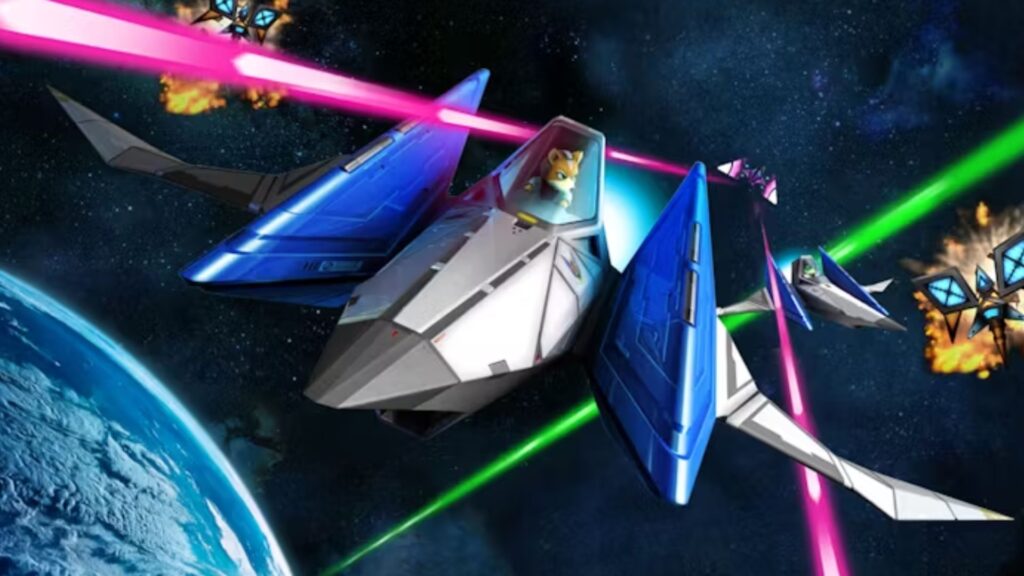
| Initial release | Star Fox (1993) |
| Latest release | Star Fox 2 (2017) |
| Developer | Nintendo |
The Star Fox series is one of Nintendo’s most iconic yet underutilized franchises, known for its thrilling space combat, memorable characters, and innovative use of 3D graphics dating back to the Super Nintendo era.
Starring Fox McCloud and his team of elite pilots, the games blended on-rails shooting with cinematic flair and branching mission paths. Star Fox 64 in particular set a gold standard for the genre, becoming a fan favorite thanks to its tight controls, voice acting, and replayability.
Despite a few attempts at revival, the series has struggled to find a consistent direction in recent years. A proper comeback—with modern graphics, online co-op, and a return to classic gameplay—could reestablish Star Fox as a leader in space shooters and bring much-needed variety to Nintendo’s current lineup.
Viewtiful Joe
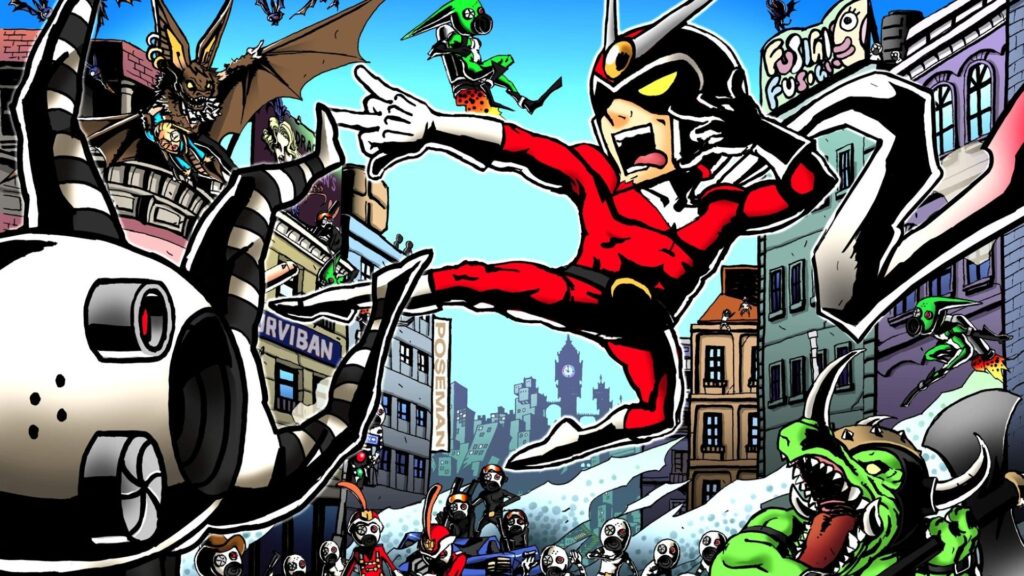
| Initial release | Viewtiful Joe (2003) |
| Latest release | Viewtiful Joe: Double Trouble! (2005) |
| Developer | Clover Studio |
The Viewtiful Joe series is a stylish and inventive beat-’em-up that brought comic book flair and time-bending action to the forefront of gaming. Developed by Clover Studio, the games follow Joe, an average moviegoer turned superhero, as he battles through cinematic worlds using his “VFX Powers” to slow, speed up, and zoom in on the action.
Its cel-shaded visuals, challenging gameplay, and offbeat humor made it a cult classic on the GameCube and PlayStation 2.
Despite its acclaim, the series abruptly ended after Viewtiful Joe 2 and a couple of spin-offs. With today’s appetite for unique action games and superhero stories, Viewtiful Joe is primed for a comeback that could reintroduce its creative mechanics and bold style to a whole new generation.
Wave Race
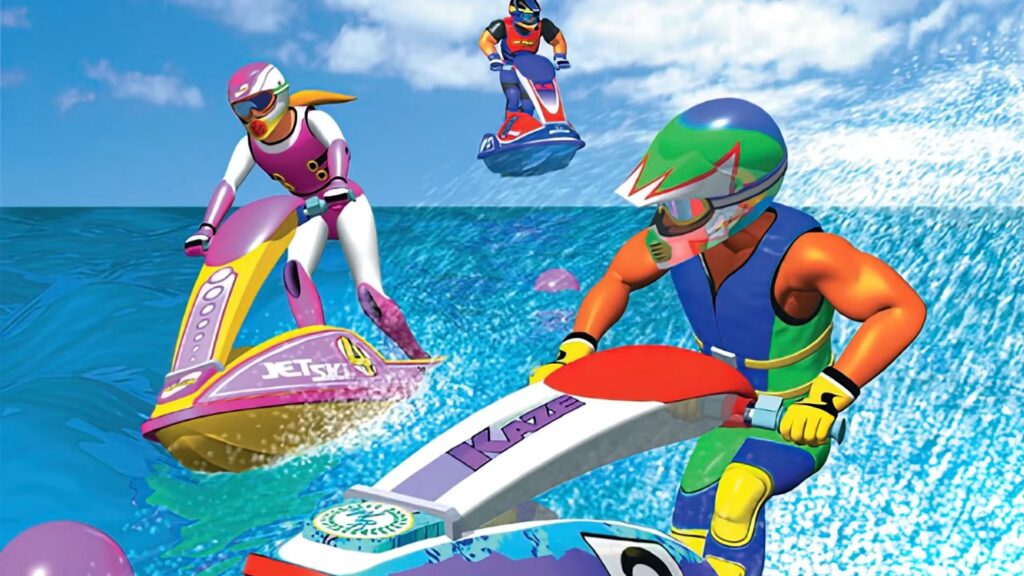
| Initial release | Wave Race (1992) |
| Latest release | Wave Race: Blue Storm (2001) |
| Developer | Nintendo |
The Wave Race series was a standout among Nintendo’s early 3D titles, offering realistic water physics, tight racing controls, and a serene yet exhilarating atmosphere. Even though it started on Game Boy, the Nintendo 64 debut of Wave Race 64 amazed players with its dynamic wave mechanics and smooth gameplay—pushing the boundaries of what racing games could do at the time.
The wave mechanics were so advanced that they remain undefeated even to this day. Its follow-up, Wave Race: Blue Storm on the GameCube, further refined the experience in certain ways but marked the last major entry in the franchise.
In an era dominated by high-octane racers, Wave Race brought something different: a focus on fluidity, skill, and environmental interaction. With today’s advanced physics engines and online capabilities, the series is more than ready for a revival—bringing back the unique thrills of jet-ski racing to both nostalgic fans and newcomers.